Loading
Rugs we would put in our own homes.
Persian Knots brings hand-knotted, hand-tufted and flat-woven rugs from the weaving towns of India, and a few from Anatolia, to homes in India and abroad. Every rug is photographed whole, measured in feet and centimetres, and described by what it is.
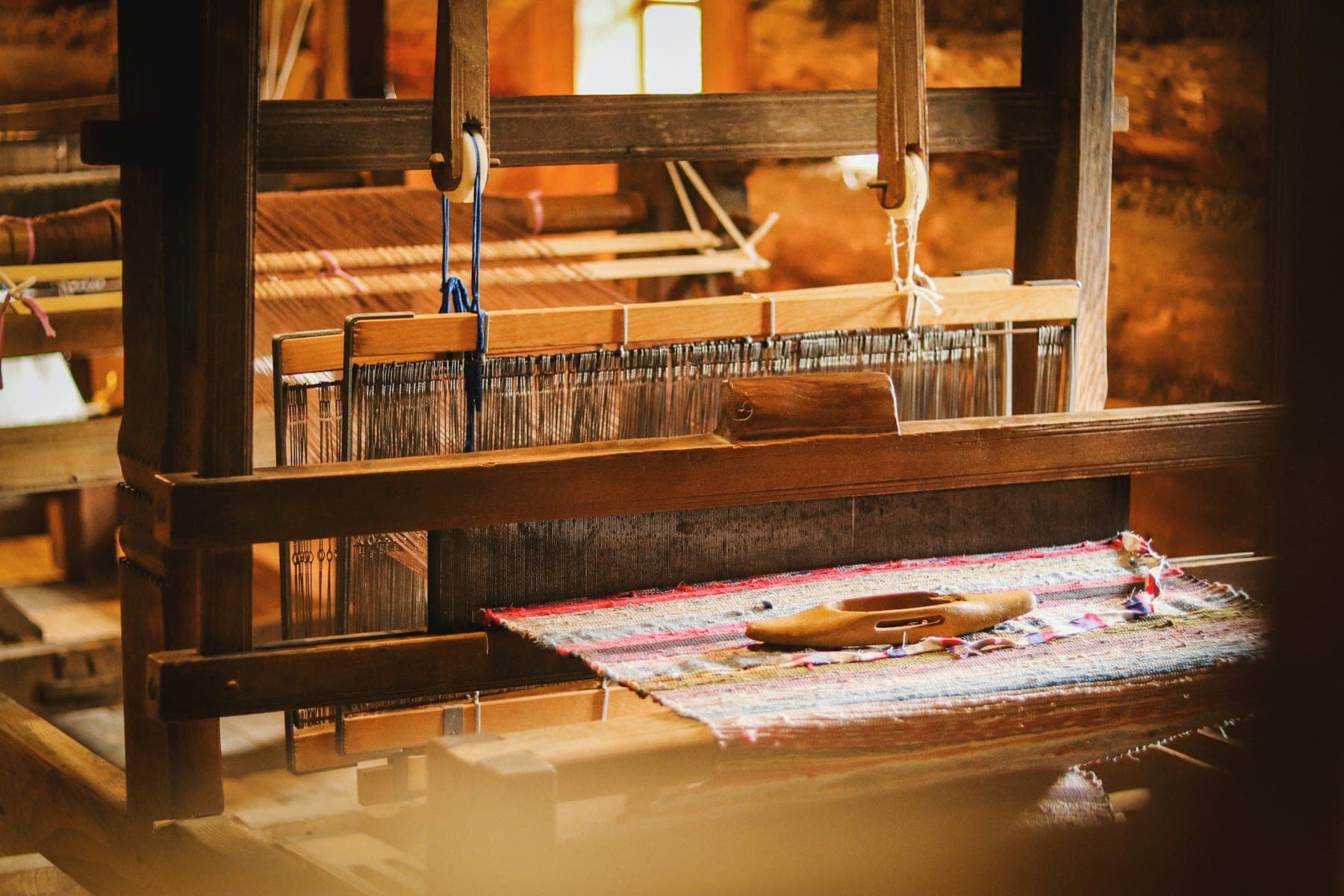
A note from our founder
[[CLIENT TO CONFIRM]] Draft for Rehan to rewrite in his own words.
If a Persian design was knotted in Bhadohi, we say so.
A good rug outlives the room it was bought for. It moves house with you, goes under a new table, and one day belongs to someone else. That is the kind of rug we want to sell.
We started Persian Knots to sell rugs the way we would want to buy them: photographed flat and whole, measured in feet and centimetres, and described by what they are made of and where they were woven. If a Persian design was knotted in Bhadohi, we say so. If a rug is tufted rather than knotted, we say that too, and we explain what it means for how long it will last.
Most of our rugs come from workshops in Bhadohi, Kashmir and Jaipur, with others from Anatolia [[CLIENT TO CONFIRM]]. We buy from people we know, and we pay for finished rugs on time, because a weaving family lives on that payment [[CLIENT TO CONFIRM]].
If you have a question about a rug, a size or a room, write to us. A person will answer.
Rehan
Founder, Persian Knots
Twenty-four centuries of the knot
The rugs we sell belong to a long line. These are the moments that shaped it.
c. 400 BCE
The oldest knotted carpet
Found in 1949 in a frozen tomb in the Altai Mountains of Siberia, the Pazyryk carpet has about 36 knots in every square centimetre. By then, knotting pile was already a mature craft.
1420–1470
The knot reaches Kashmir
Sultan Zain-ul-Abidin invites craftsmen from Persia and Central Asia to Srinagar. Kashmir's coded pattern script, the talim, grows from that meeting.
1539–40
The court workshops
Maqsud of Kashan signs the Ardabil carpet, made in the Safavid workshops that gave Persian design its medallions and curling vines. It hangs today in the Victoria and Albert Museum.
1580s
India learns the Persian knot
The Mughal emperor Akbar brings Persian weavers to Agra, Fatehpur Sikri and Lahore. Indo-Persian weaving begins.
1880s onward
Weaving for the world
European and American buyers want carpets. The Bhadohi and Mirzapur belt in Uttar Pradesh grows into India's largest centre for hand-knotted rugs.
Today
Persian Knots
Rugs from four weaving clusters, sold online in India and abroad, each one named for how it was made and where [[CLIENT TO CONFIRM]].
Our looms
Four weaving clusters, each with its own knot, yarn and way of working [[CLIENT TO CONFIRM]].
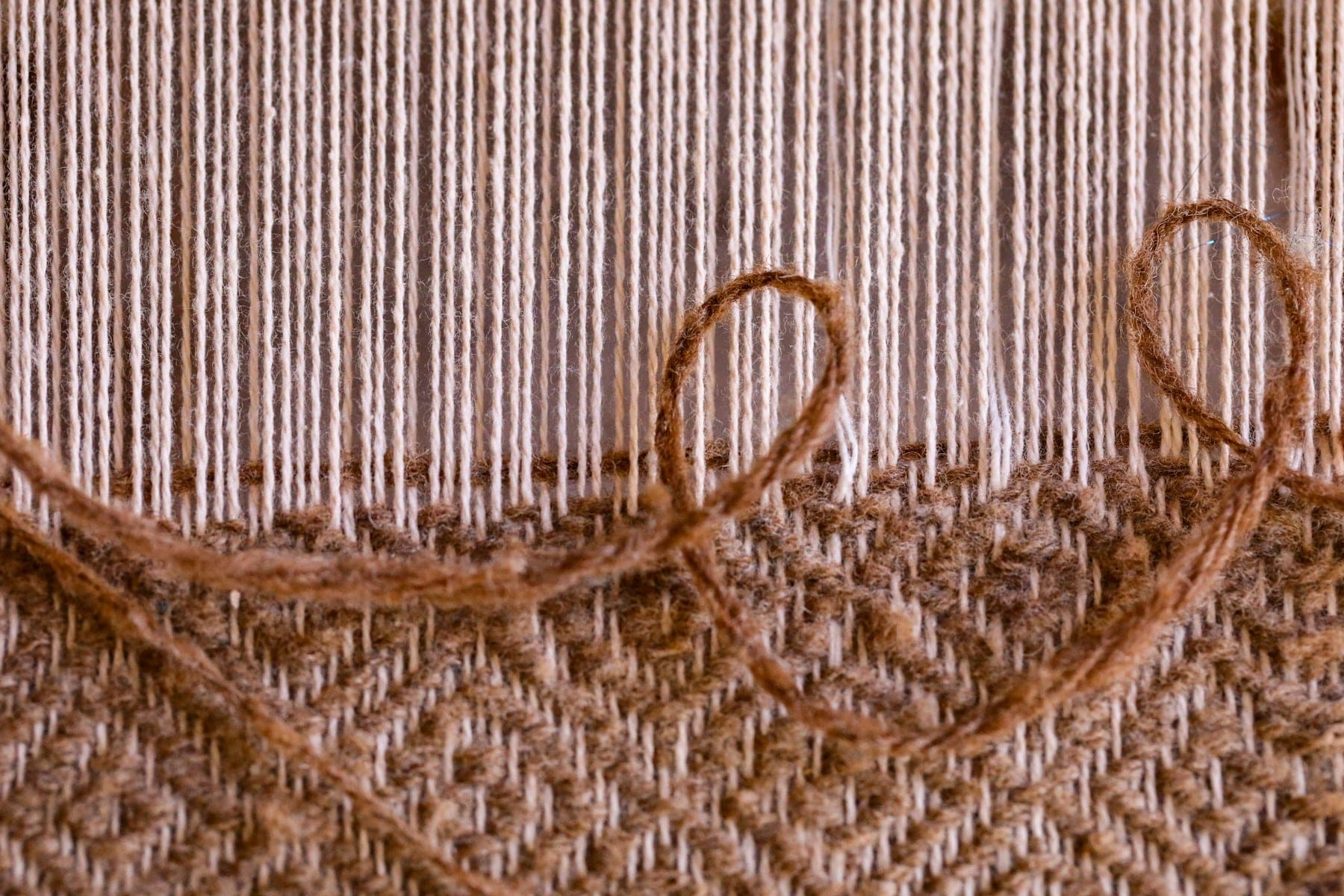
Bhadohi
Uttar Pradesh
India's carpet town. Hand-knotted wool in Persian designs, from village weights to fine city rugs, and hand-tufted rugs in modern ones.
16 rugs in the shop
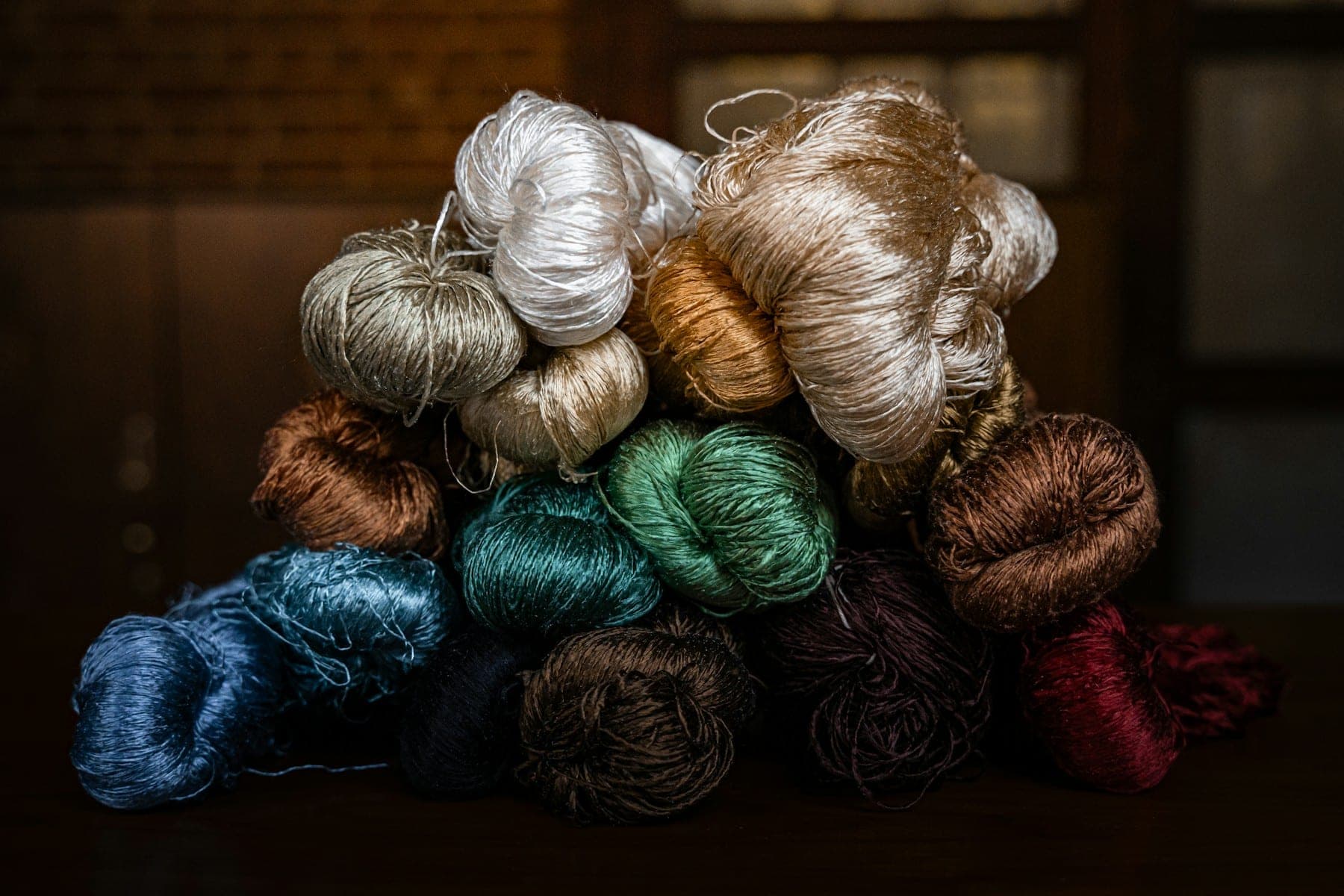
Kashmir
Srinagar and the valley
Silk and wool-and-silk rugs woven from talim, many at 200 knots per square inch and more: trees of life, chinar leaves and Mughal gardens.
8 rugs in the shop
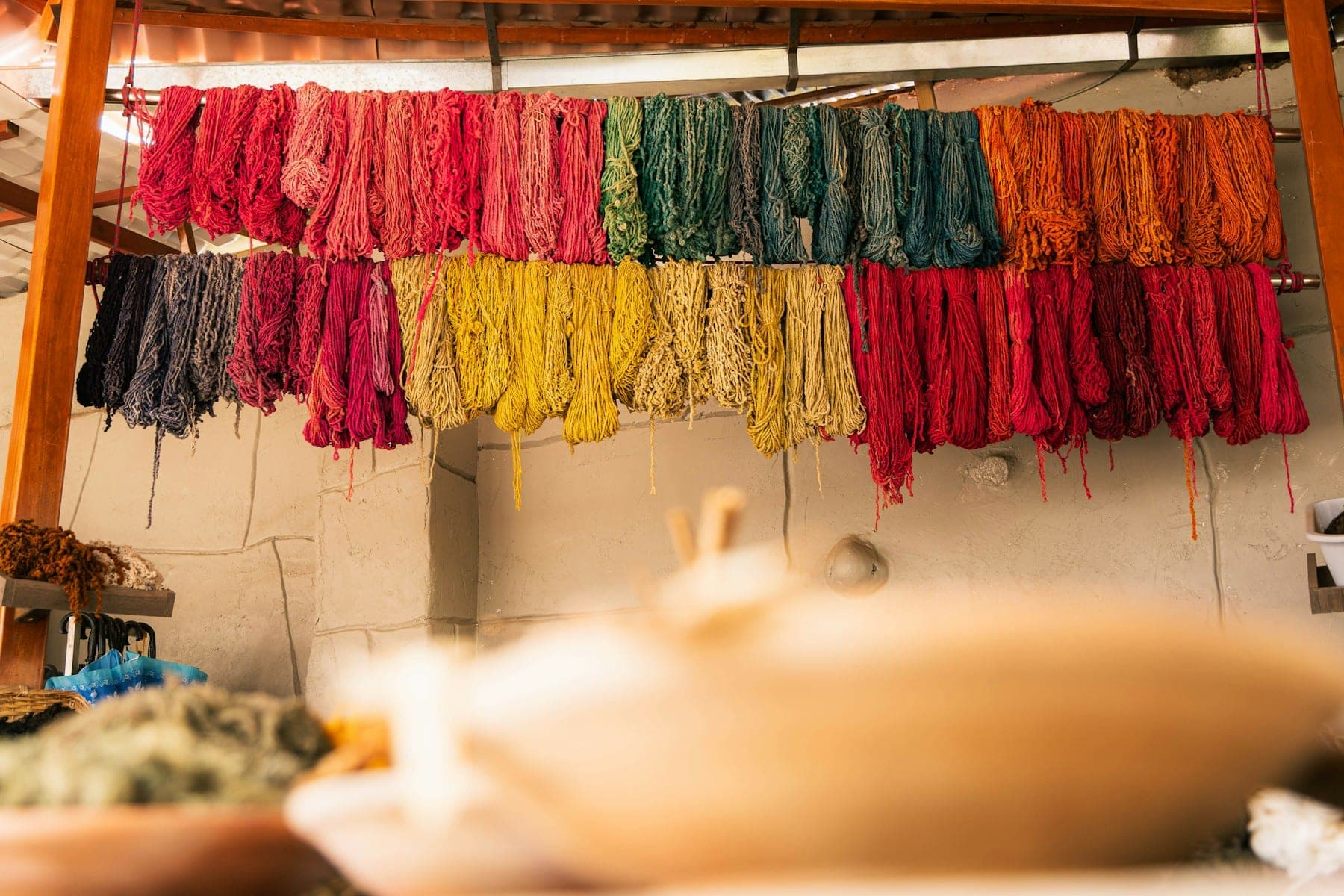
Jaipur
Rajasthan
Hand-knotted wool, cotton dhurries and dyeing. Wool dyed in small batches gives the gentle shifts of colour called abrash.
14 rugs in the shop
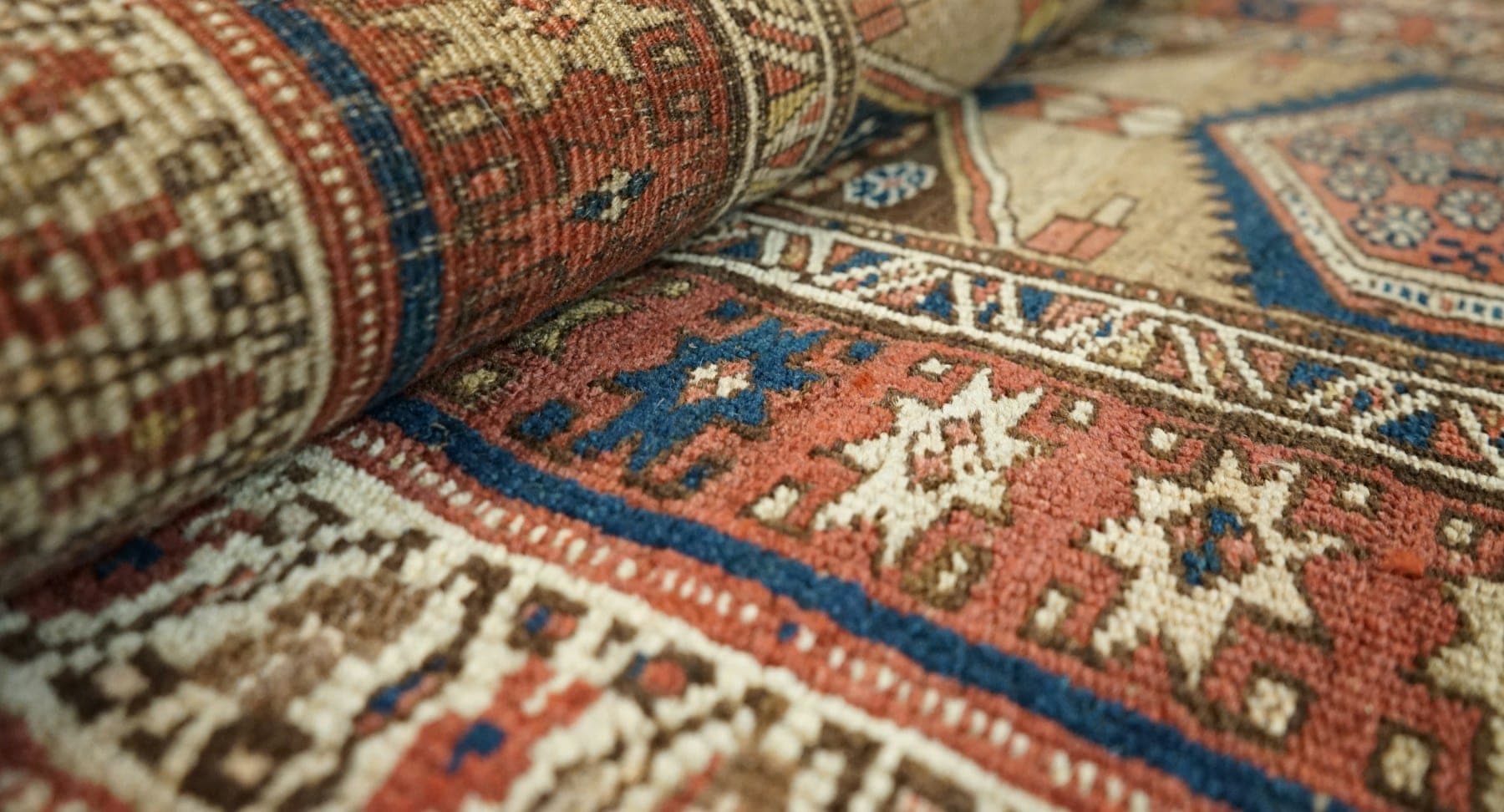
Anatolia
Konya, Ushak and Sivas, Turkey
The symmetric Turkish knot, thick village wool, and flat-woven kilims in the stepped geometry of central Anatolia.
14 rugs in the shop
Photographs of the four clusters are representative.
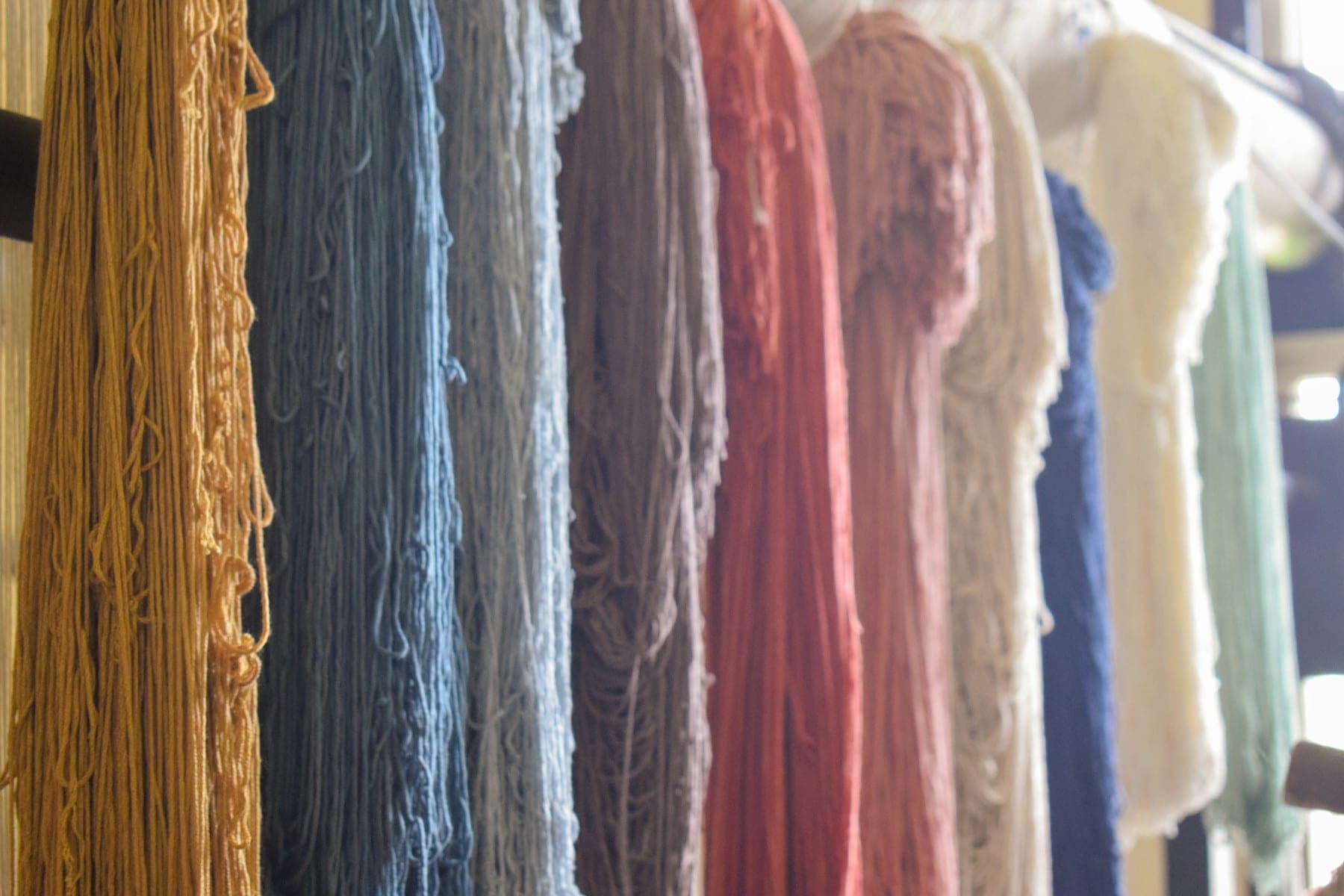
What we hold to
- Honest labels
- Every rug says how it was made, what it is made of and where it was woven. A Persian design knotted in India is labelled made in India, and a representative photo is always captioned as one.
- Fair pay, paid on time
- Workshops are paid agreed rates when a rug is finished, not when it sells [[CLIENT TO CONFIRM]].
- Natural dyes where the design calls for them
- Madder root for reds, indigo for blues, walnut husk and pomegranate for browns and golds, used by the workshops that still work with them [[CLIENT TO CONFIRM]].
- No child labour
- We buy only from workshops that do not employ children [[CLIENT TO CONFIRM]], and we will name the certification we rely on here.
In numbers
- weaving clusters: Bhadohi, Kashmir, Jaipur and Anatolia
- 4
- knots per square inch in our finest silk
- Up to 400
- months on the loom for a hand-knotted rug
- 6–14
- countries our rugs have been delivered to
- 40+
[[CLIENT TO CONFIRM]] These figures are working claims until Persian Knots confirms them.
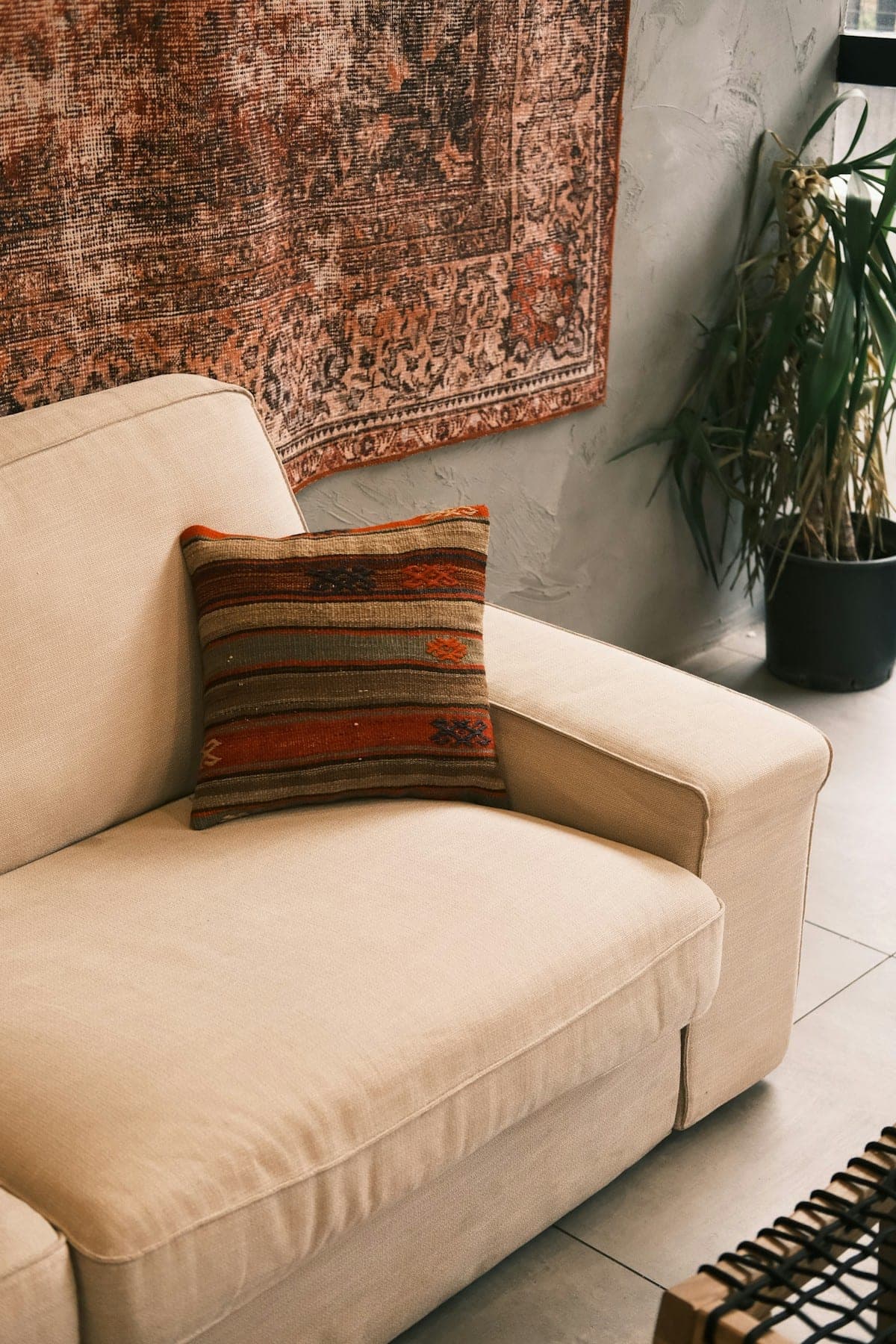
We hung it rather than walked on it. At arm's length you begin to see the birds in the branches, each with an eye and a beak. The silk shifts from ruby to rose as you move past it.
Vikram S.
Delhi, India
Bought the Kashmir Tree of Life, 3′ × 5′
Demo reviews
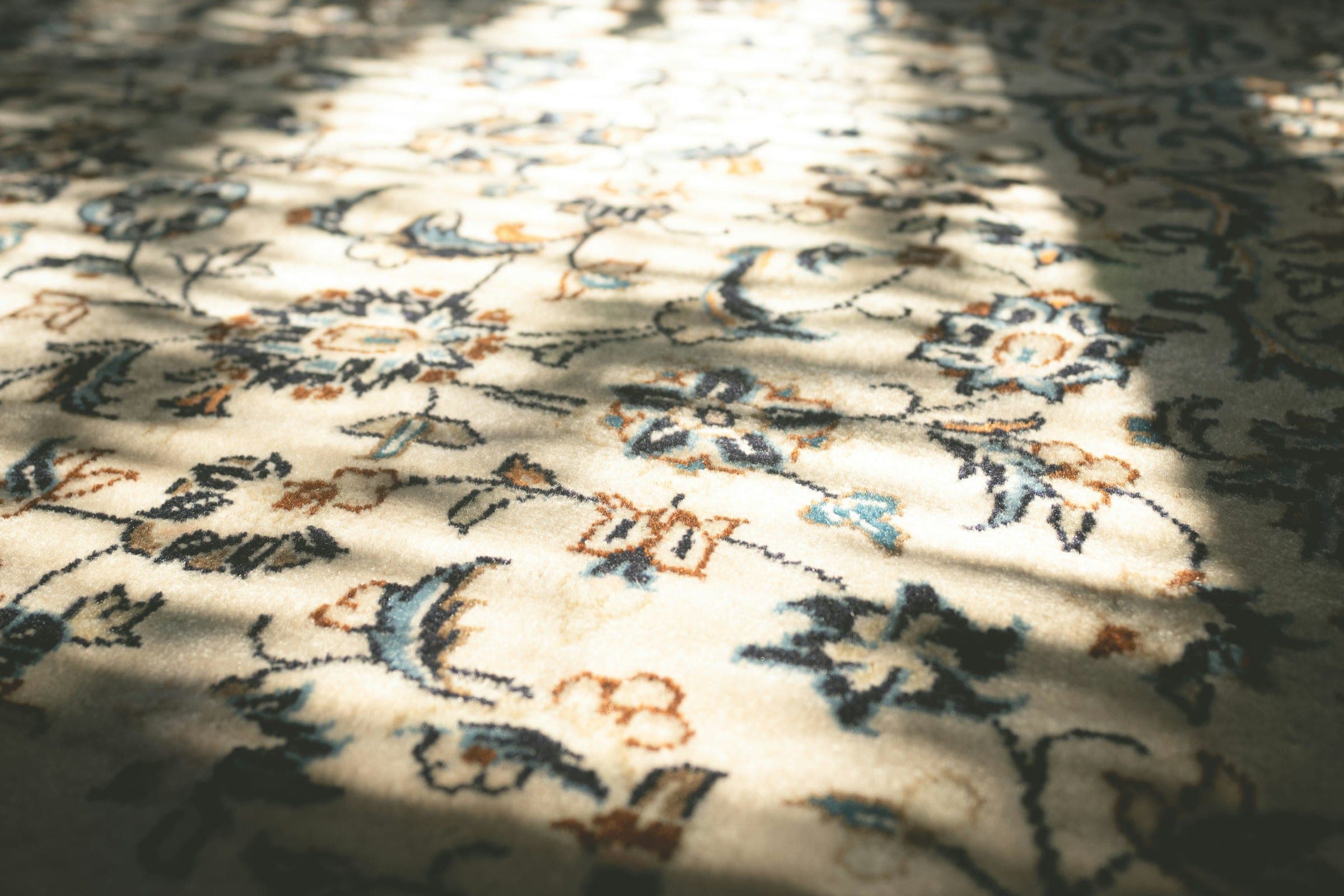
Find the rug for your room
Browse by style, size or room, or read how each kind of rug is made before you choose.