Style, 5 min read
Five ways to style kilims and flatweaves
Thin, light and reversible, flatweaves go where pile rugs can't: under doors, on verandas, over carpet and on the wall.
By The Persian Knots team,
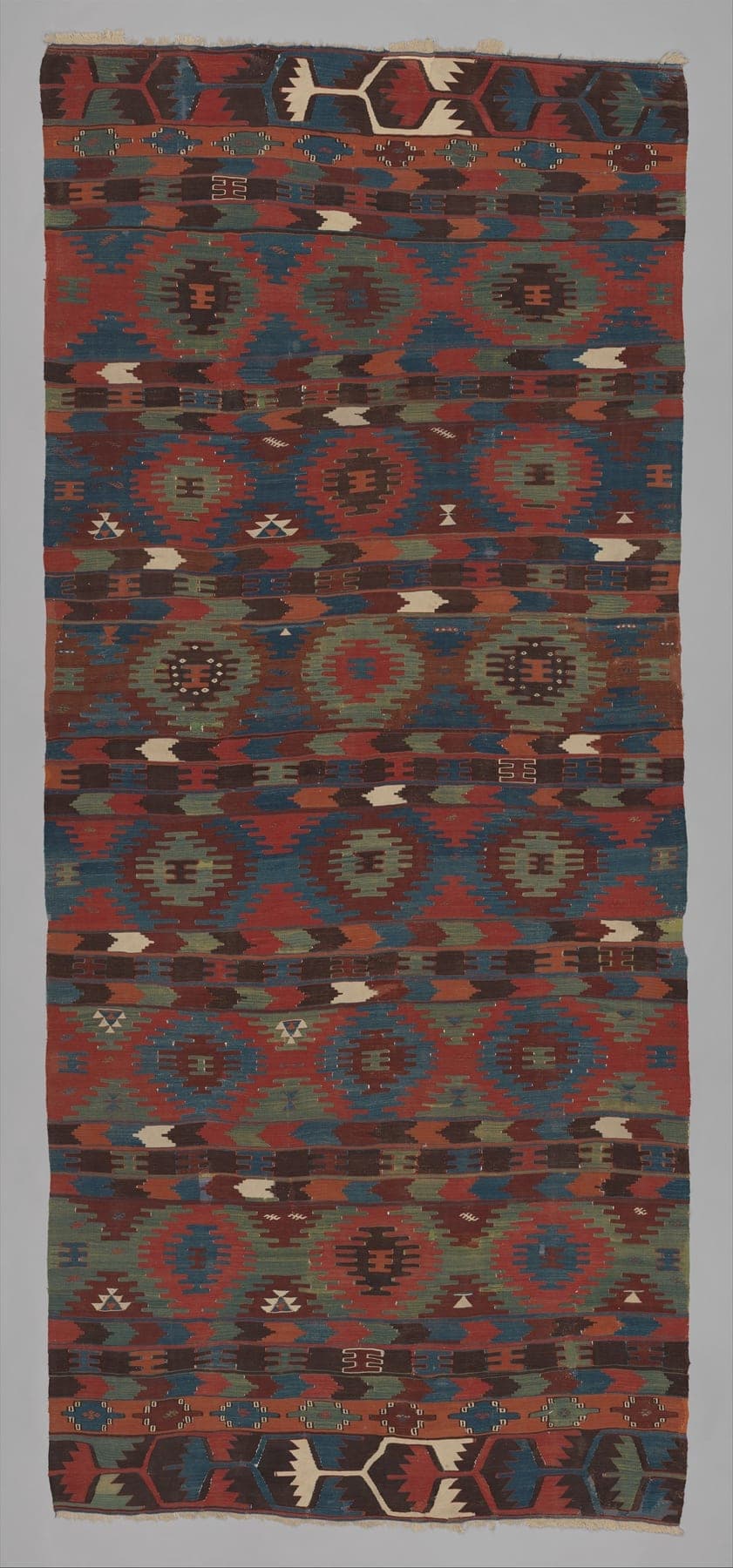
A flatweave has no pile. Instead of knots, coloured weft threads are woven in and out of the warp, and the weft itself makes the pattern. The result is thin, light, often reversible and remarkably tough. That makes flatweaves the most adaptable rugs you can own: they go where a thick pile rug cannot.
Kilim, dhurrie or soumak?
Three names cover most flatweaves.
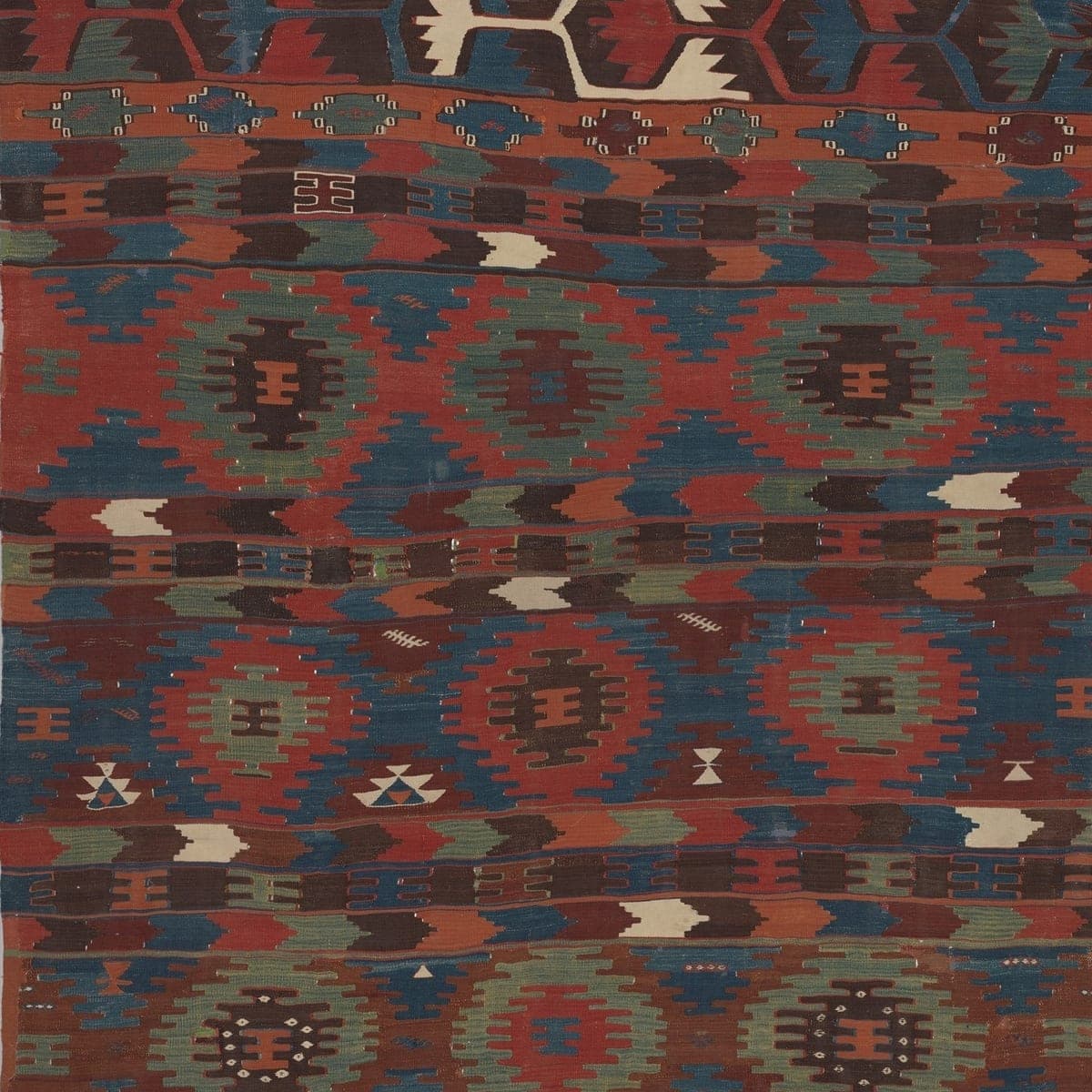
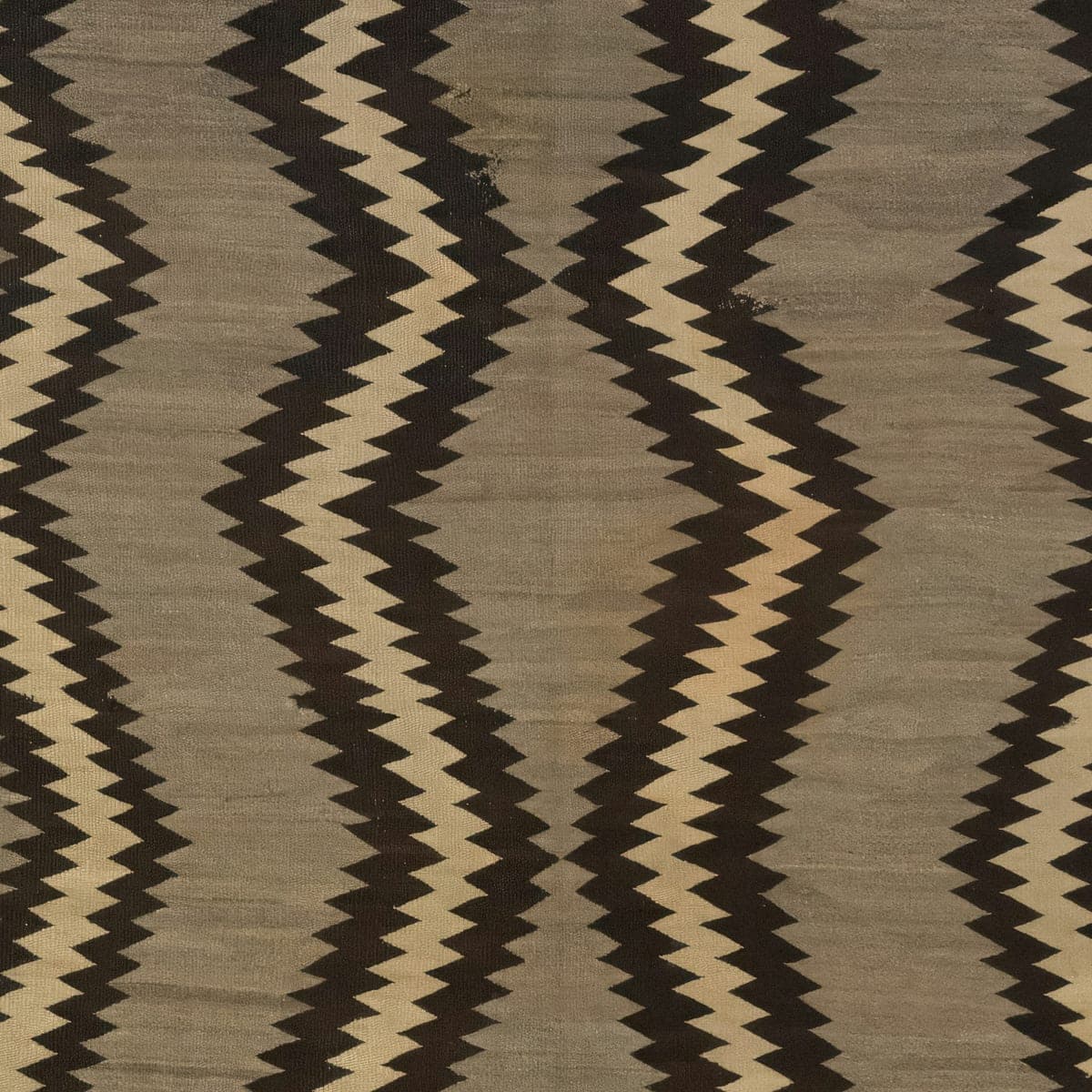
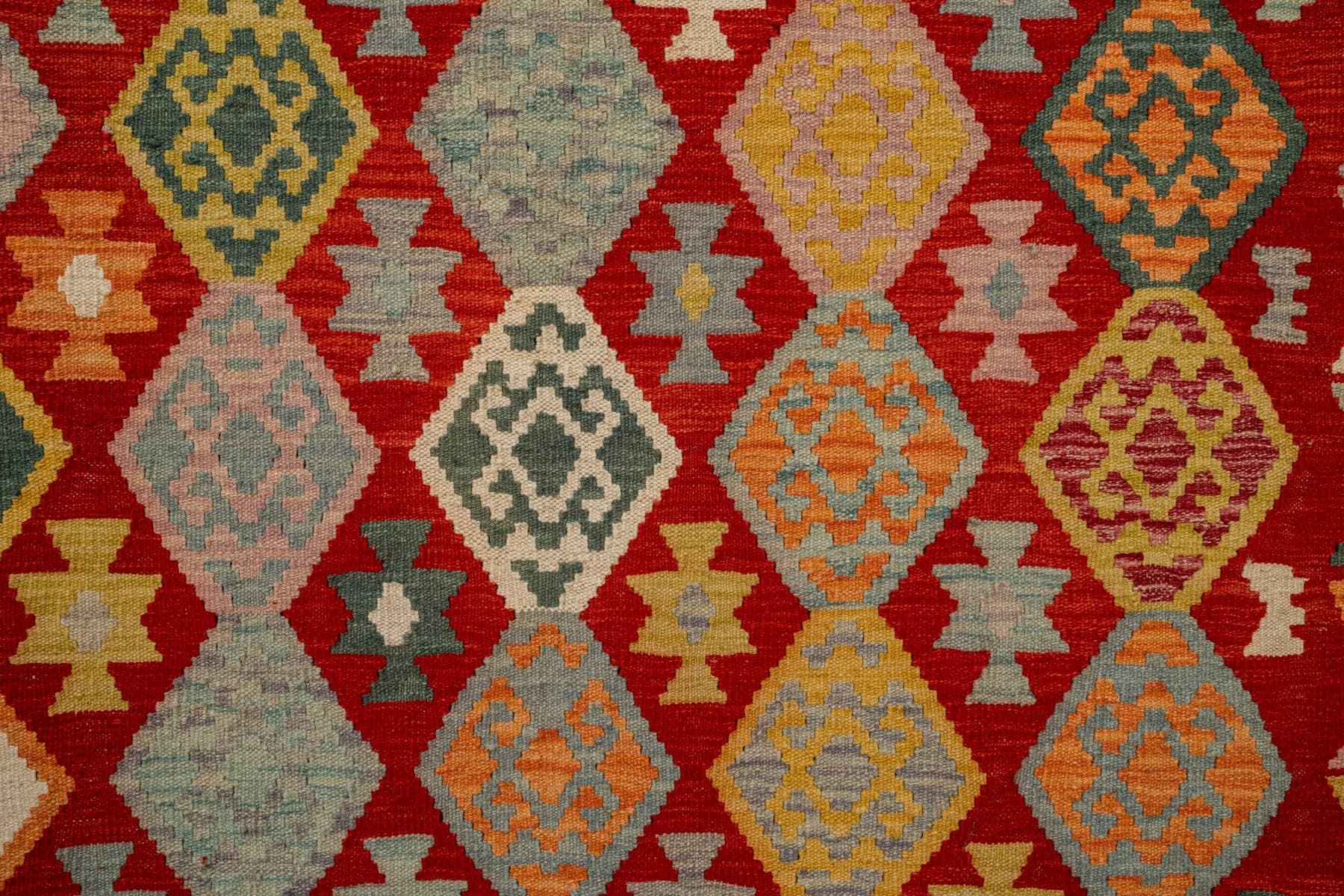
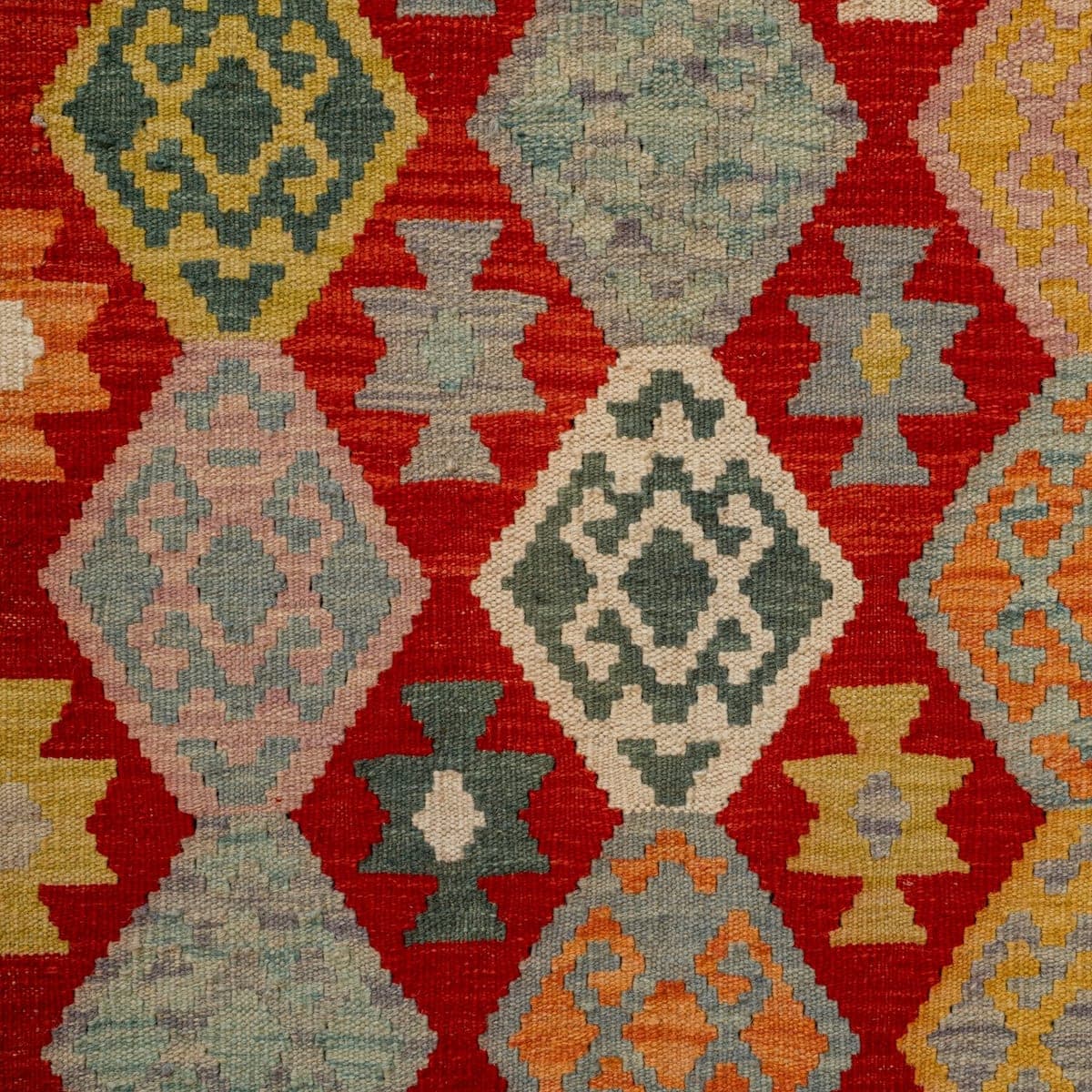
- Kilim. Woven in Anatolia, Iran, the Caucasus and Afghanistan, usually in wool. Where two colours meet in a straight vertical line the weaver leaves a small gap, a slit, which is why kilim patterns are built from diamonds, zigzags and stepped shapes.
- Dhurrie. India's flatweave, traditionally cotton and increasingly wool, woven in Rajasthan, Uttar Pradesh and Haryana. Dhurries are often reversible, and cotton ones are easy to have washed.
- Soumak. A flatweave in which the weft is wrapped around the warps rather than simply woven through them. It is thicker and firmer than a kilim, with a fine, braided look on the front.
Here are five ways to use them.
1. Layer one over a larger rug
A kilim laid at an angle over a plain jute or wool rug is the easiest way to bring pattern into a room without committing a whole floor to it. The base rug gives size and softness; the kilim gives colour. Keep the base plain and a size or two larger, so at least 30 cm of it shows all round. A kilim also sits happily over wall-to-wall carpet in a rented flat.
2. Put it where people eat
Flatweaves are the best rugs for dining rooms and kitchens. Chairs slide over them instead of catching on a pile, crumbs sit on the surface where the vacuum cleaner can reach them, and a cotton dhurrie can go to the cleaner's without fuss. Size it so the chairs stay on the rug when they are pulled out: the table plus 60 to 75 cm on every side. The rug size guide has the numbers.
3. Run it down the hall
A flatweave runner lies flat, so doors clear it and nobody trips on its edge, and its bold geometry reads well in a long, narrow space. It also takes the heaviest traffic in the house in its stride. Put a thin rug pad under it; flatweaves are light and they slide on stone and wood.
4. Take it outside the living room
A covered veranda, a sunroom, a study with a stone floor, a child's room: flatweaves suit the rooms where you would worry about a pile rug. Cotton dhurries dry quickly and don't mind a bit of dust; wool kilims shrug off sandy feet. Keep them out of the rain and out of all-day sun, and turn them round now and then so they fade evenly.
5. Hang it on the wall, or throw it over furniture
Because they are thin and light, kilims hang beautifully. The right way is to sew a strip of cotton tape or hook-and-loop fastening along the back of the top edge and hang it from a batten, so the weight is spread evenly. Never nail through a rug. A small kilim also makes a good throw over the end of a bed, the back of a sofa or a wooden bench.
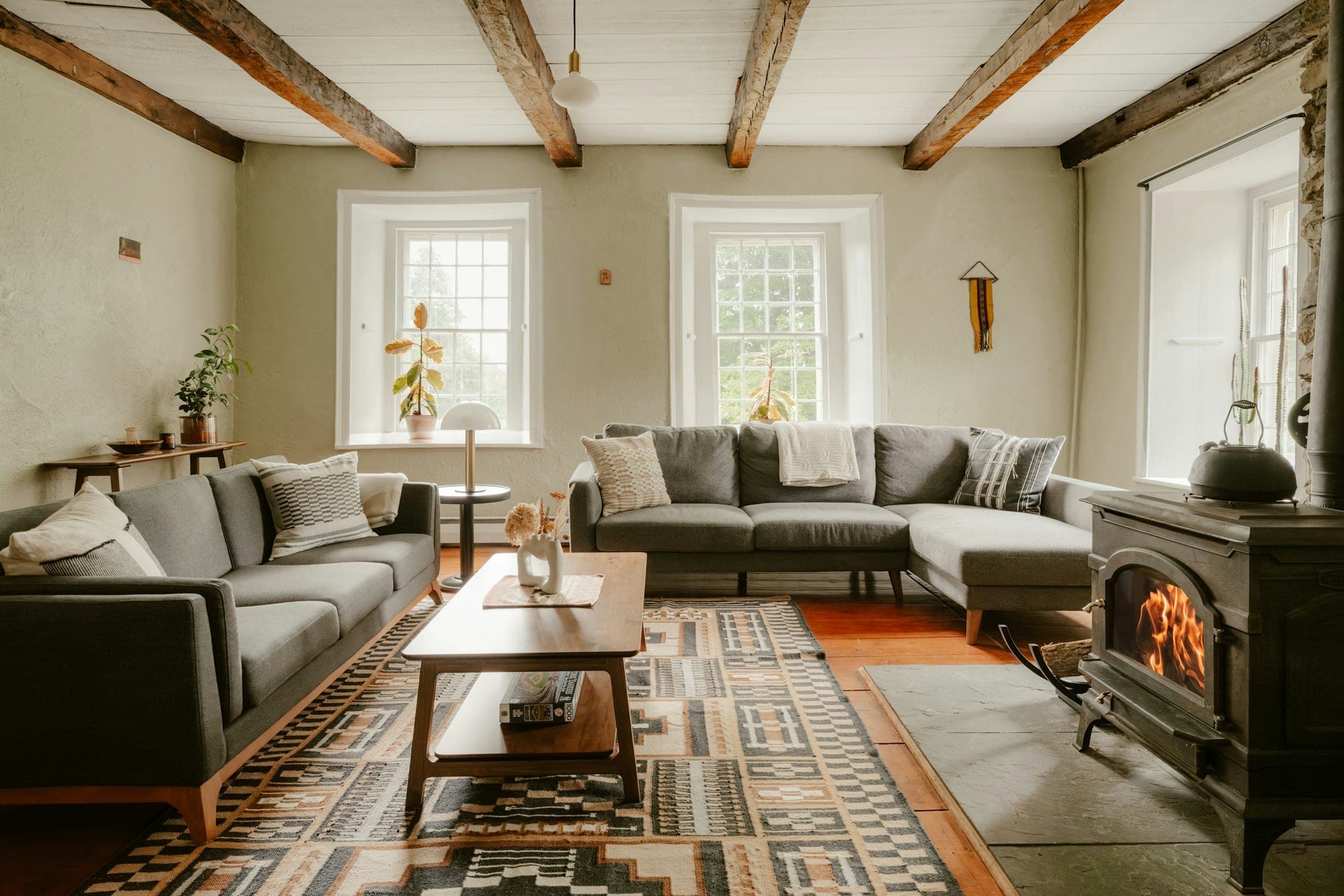
Living with a flatweave
- Use a pad. A thin rug pad stops sliding and curling and takes some of the wear.
- Turn it over. Most flatweaves are reversible. Flip them every few months and they wear twice as long.
- Vacuum without the brush. Suction only, as with any handmade rug, and keep the nozzle off the fringe.
- Let pattern lead. A bold kilim looks best with plain upholstery and one or two colours picked out from it, in cushions or a throw.
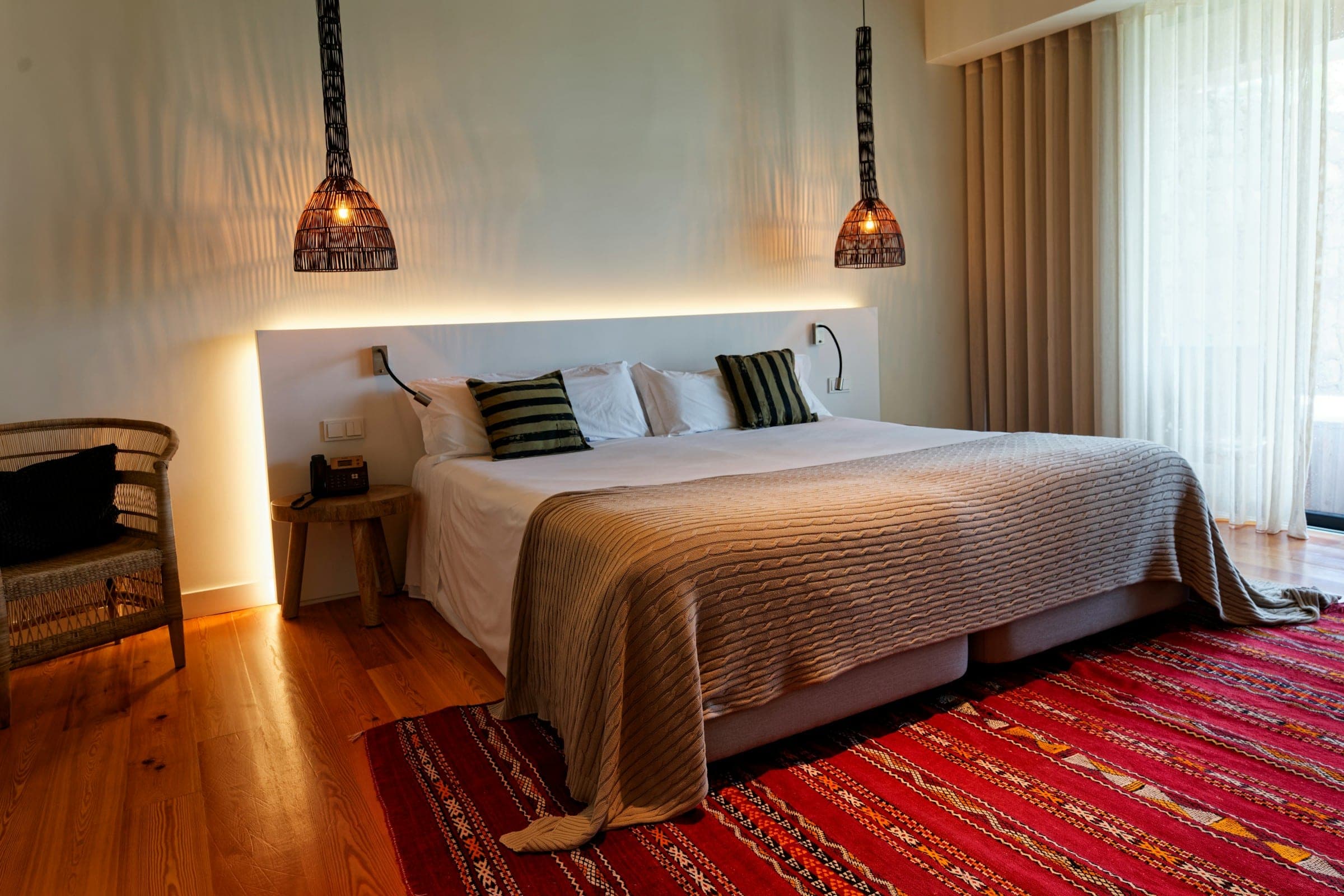
One practical note: flatweaves do not insulate or soften a floor the way a thick pile rug does. In a bedroom where you want warmth underfoot, a hand-knotted or hand-tufted rug is the better choice; everywhere else, a flatweave is hard to beat.
Share this guide